
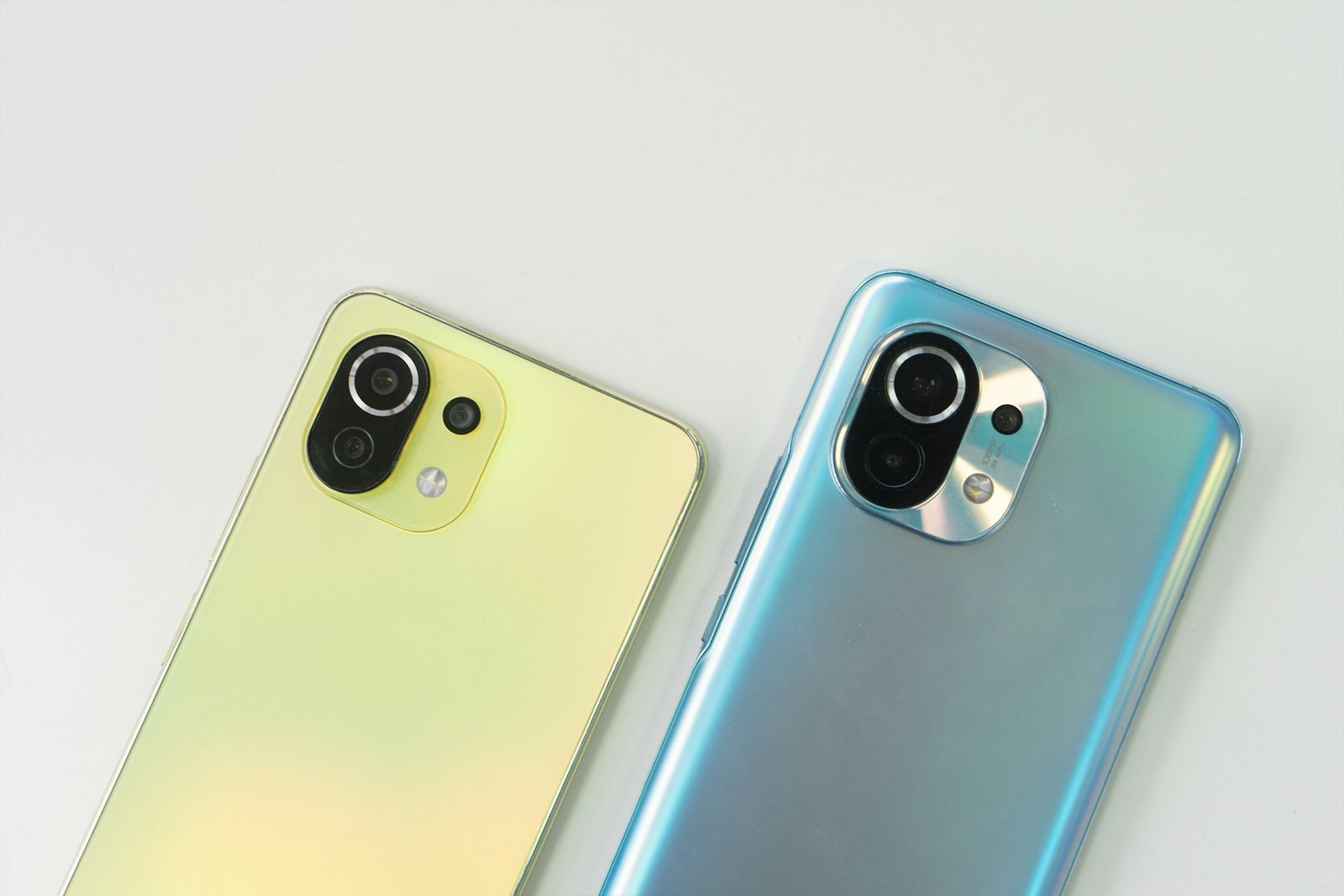
This weekend, my eighty-year-old mother came with us to a dinner at a friend’s house. Earlier in the day, she asked me what time she needed to be ready, and then she asked her real question: “Can I bring my phone with me?”
Not that she needs my permission, and also, just for the record, I don’t (and never have had) that kind of authority over my mother, or my child, or, for that matter, any human. My “Nos” are usually taken as a mild suggestion, like the “Because you watched this…” options on Netflix after you watch a show.
But since mom asked, I suggested she leave her phone at home. The WhatsApp messages could wait.
About two hours in, my mom, normally a social butterfly who could hold a conversation with a lamp post, started showing what I can only describe as withdrawal symptoms. She wanted to go home. Yes, she was getting tired, but there was a more pressing reason: the unread WhatsApp messages on her phone.
For context, my mother, not a digital native by any means, started using a smartphone probably eight years ago. And even she finds it hard to part with it for a few hours.
The Second Brain
When did this small rectangle become the operating system for our entire lives?
Our phone wakes us up, offers us breakfast recipes, and logs our calories. It tracks our steps and monitors our heart rate. It has replaced the newspaper, the landline, the alarm clock, our camera, recipe book, road atlas, daily journals, and, for those who remember, the Rolodex. It is our calculator and our television remote. It has our boarding passes and our wallets.
No more driving to the grocery store; no more heading to the bank to deposit checks; no more going to the cinema; no more waiting until 8 pm on Thursday for a Friends episode. The apps on our phones can do just that.
We used to leave the house with three things: keys, wallet, and phone. Now we’d rather lose the first two.
What We’re Actually Losing
So, what’s the big deal about being tied to our phones 24/7? After all, they are our second brain and run our lives, right?
The cost of phone addiction, it turns out, is not trivial.
In 2017, researchers at the University of Texas ran what should have been a completely unremarkable experiment. They asked nearly 800 participants to do simple cognitive tasks — nothing taxing, just basic attention and working memory. The twist was that some participants had their phones face down on the desk, some had them in their pockets, and some had left them in another room entirely.
The results were depressing. People whose phones were in the room — even face-down, even on silent, even untouched — performed measurably worse than those whose phones were elsewhere. The mere presence of the device was enough to reduce cognitive capacity. The researchers called it “brain drain.” Your phone doesn’t need to buzz to distract you. It just needs to exist nearby, like a very quiet, very persistent toddler who might need something at any moment.
And it’s not just attention. Gloria Mark, a professor at UC Irvine who has spent years studying how people manage their focus, found that the average person now stays on a single screen for just 47 seconds before switching. When she first started measuring in 2004, it was two and a half minutes, which already felt grim. And after each interruption, it takes roughly twenty-three minutes to fully regain the original depth of concentration.
We are, collectively, skimming. Skimming articles, skimming conversations, skimming our own thoughts. We have become extraordinarily good at knowing a little about a lot of things and thinking deeply about almost none of them.
But, according to experts, one of the biggest drawbacks is that we’re losing our ability to be bored.
Not in the way of “I choose not to be bored.” But in a much more systematic manner. The capacity for boredom has been functionally removed, the way you might remove an errant appendix. Every micro-moment of waiting—the queue at the checkout, the two minutes before a meeting starts, the brief pause between finishing one task and starting the next—is now filled. We reach for our phones. Not because there’s anything we need to see, but because the empty space feels uncomfortable.
This turns out to be a significant loss. Research by Dr. Sandi Mann at the University of Central Lancashire has shown that boredom activates the brain’s “default mode network”, the same neural circuitry associated with creativity, self-reflection, and problem-solving. When we daydream, when we stare out the window, when we let our minds genuinely wander, that’s not idleness. That’s the brain doing some of its most important work.
In the space of about fifteen years, we have eliminated almost all opportunities for this kind of thinking from our daily lives. And we did it on purpose, because boredom felt like a problem.
Phubbing
There’s a term researchers use: “phubbing.” Phone-snubbing. It’s what happens when you’re mid-conversation with someone, and they glance down at their screen, or you glance down at yours, or both of you do simultaneously and pretend you didn’t. Research published in the Journal of Social and Personal Relationships found that even minor phubbing, a quick glance, a brief check, significantly reduced the other person’s sense of connection and satisfaction with the interaction.
Sometimes we use excuses to look up something on the phone, because we’ve forgotten the actor’s name in the movie we were just discussing. The actor’s name is a tangential sidebar. Not relevant to our conversation. The truth is, it gives us a reason to pick up our device.
We have perfected the art of being somewhere and elsewhere simultaneously, and we barely register it anymore because it has become the default state.
The Detox Delusion
So, what kind of fix does this problem deserve?
The easy (and popular) option is a digital detox. Take a weekend off. Go phone-free for 48 hours. Put the device in a drawer and rediscover the simple pleasures of existing without a screen. It sounds wonderful, in the same way that a juice cleanse sounds wonderful—noble but unsustainable past Tuesday.
But the phone is not a bad habit, unlike cigarettes. It is our life, or at least the infrastructure of it. It’s where our calendars, our bank, our prescriptions, and boarding passes live. And mom’s WhatsApp messages too.
Telling someone in 2026 to put their phone away for a weekend is a bit like telling someone in 1985 to spend a weekend without electricity. Possible but absurd.
I think the answer is something less dramatic and less Instagram-worthy than a detox.
It starts with noticing: How many times a day do we reach for the phone without any intention? How often do we pick it up to check the time and come up for air twenty minutes later, and try to remember why we picked it up in the first place?
A few small shifts that the research actually supports, for whatever they’re worth:
Phone out of the bedroom. This is the single highest-impact change most people can make, according to sleep researchers. Alarm clocks still exist.
Phone out of sight during meals and conversations. Not face-down on the table but in another room. The Texas study showed that proximity alone is enough to fracture attention. If you want to actually be present with the person across from you, the device needs to be elsewhere.
Scheduled phone-free windows. Nothing dramatic. Just an hour in the evening. A walk without earbuds. A morning when we don’t check anything until after we meditate. Or just small pockets of genuine disconnection throughout the day.
And, above all, learn to appreciate boredom again. Let the checkout line be boring. Let the waiting room be quiet. Let our minds do that strange, unproductive, wandering thing they used to do before we gave them a screen to stare at every waking minute.
If this resonated, you might also enjoy: 7 Myths and Truths About Multitasking | The Default Mode Network: The Hidden Key to a Calmer, Happier, Content You | Five Productivity Shifts for the Perpetually Overcommitted