
A few summers ago, on an early morning run, I spotted a woman about a quarter mile ahead of me. From where I was, I could watch her without her seeing me. She was walking backward, waving her arms in some kind of expansive, unhurried gesture, and either singing or reciting something to the sunrise. I couldn’t quite tell. What I could tell was that she was immersed in what she was doing. Then she sensed me coming up behind her.
In a few seconds, and I watched this happen in real time, her body locked into shape. Shoulders down. Arms at her sides. The joy drained from her face like someone had pulled a plug. She started shuffling forward in the careful, slightly apologetic way one does when one is pretending to have been walking all along. I felt terrible.
But also noticed I had done the same thing. My slightly resigned jog had snapped itself into “form.” I was now Running. Capital R. Elbows in, strides even, face arranged into the vaguely athletic expression one sees in stock photos of women running. Two women, alone on a quiet street at dawn, both instantly performing for each other.
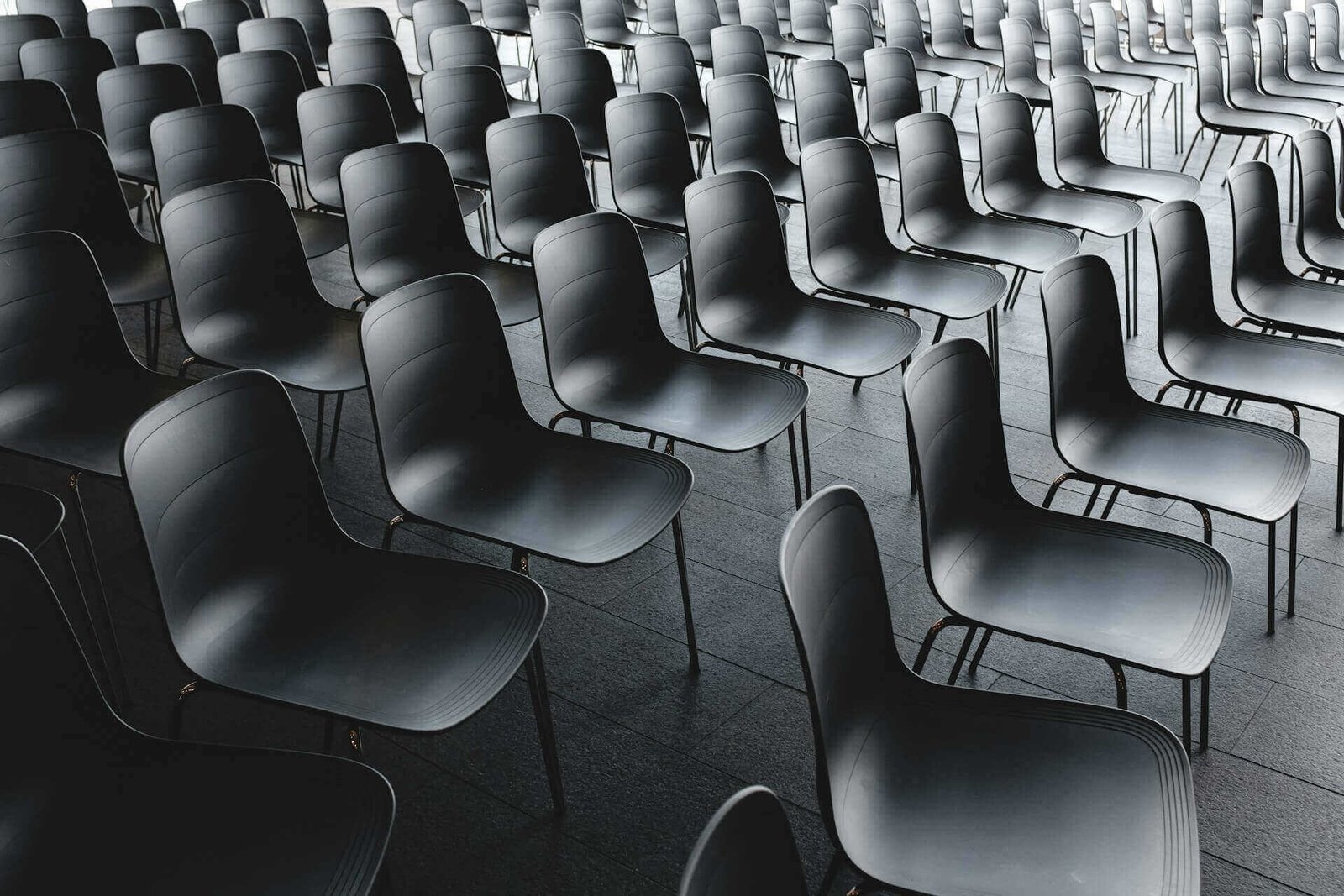
This is the question I’ve been sitting with ever since: “Who are we when we think no one is watching?” And the more uncomfortable follow-up: how much of our lives is actually being lived for an audience we invented in our heads? Why does “what will they think?” rule our decisions?
The Tyranny of the Imaginary Audience
It isn’t just running form. Here is a very short and non-exhaustive list of things I’ve noticed I do for people who aren’t actually in the room: I’ve deflected the “what do you do” question at parties, because my work (designing financial accounting software) isn’t glamorous enough for the imagined listener who, as it turns out, was just making polite conversation.
I’ve waited years to start things (this blog, among others) because they weren’t ready for some invisible jury to evaluate them.
And in my twenties, I actually took an unpaid leave of absence from a perfectly good job to “find my calling” because a very loud cultural chorus had decided that the work I was doing was, what was the word, lame. The audience in my head had opinions. The real people in my life, it turned out, mostly did not.
A Cornell psychologist named Tom Gilovich ran a study in 2000 where he asked university students to walk into a room of their peers wearing a Barry Manilow T-shirt — chosen specifically for being acutely embarrassing. The students, predictably, assumed about half the observers would notice. In reality, only about a quarter did. Gilovich called it the “spotlight effect”: our persistent, mildly deluded conviction that other people are paying far more attention to us than they actually are. Most of them, as he put it, are too busy thinking about their own Barry Manilow T-shirts.
The Three Places the Audience Shows Up
Looking back at everything I’ve written over the last few years, I notice the same ghost audience haunting almost all of it.
The one that keeps us from starting
Every creative project I’ve ever contemplated came with a long delay before actually beginning. The delay always felt like research. It was almost never research. It was waiting for the audience to be ready. Which is strange, because the audience was usually me.
The one that tells us the work has to be cool
Find your calling. Do what you love. These are lovely sentiments that come, if we’re honest about it, from a place of considerable privilege.
Most of the world works to pay for rent, groceries, school fees, and the occasional unglamorous dental procedure. That is not a failure of imagination. That is what grown-ups do. The idea that a job has to define you is a recent, exhausting invention — and one that has pushed a lot of us into waxing lyrical about vocations we don’t particularly love, or apologizing for ones that reliably pay the bills.
The one that keeps score of Likes
I once wrote a post I was genuinely proud of. It got three likes. I wrote another that I cranked out on a Sunday afternoon, really not feeling it. It did way better. The audience’s taste, I have come to understand, is not a reliable judge of anything, including its own preferences.
What the People Who Actually Make Things Seem to Agree On
I’ve been reading, for years, the people who manage to keep making things. Writers, artists, painters, designers, marathoners. And they share, almost without exception, one unromantic belief: They do not wait.
Chuck Close: “Inspiration is for amateurs. The rest of us just show up and get the work done.”
Andy Warhol: “Don’t think about making art. Just get it done.”
The Gita, older and more patient than both of them: “Do what you need to do.”
None of them mentions the audience. Because the audience, it turns out, is not actually what the work is for.
The graphic designer Susan Kare, who drew the original Macintosh icons — the little trash can, the smiling computer, the pointing hand — was once asked whether she knew her work would become iconic. Her answer, which ought to be framed above every desk:
You can set out to make a painting, but you can’t set out to make a great painting. You just have to make the best painting you can, and if you’re lucky, people will get the message.
You make the thing. The audience does whatever the audience does. Those are two entirely separate activities.
What I’m Trying
I am not going to pretend I have solved any of this. I straightened my running form again this morning when another runner passed me, because old habits die hard, and the audience in my head is both stubborn and, apparently, invested in my posture.
But here is what I’m trying, imperfectly. I’m trying to notice the moment of adjustment. And I’m trying to remember that most of the people I’m performing for are not, in any real sense, in the room. They are composite figures made of my own anxieties, stitched together from stray comments and old rejections and the general background hum of being a person in the world.
The woman on the trail was happiest when she thought she was alone. I suspect we all are. The question, I don’t think, is how to get rid of the audience entirely. That isn’t realistic, and I’m not sure it’s even desirable. A little self-awareness is what keeps us from being monsters. The question is how often we can quietly set the audience down, do the thing for its own sake, and notice that the sky has not fallen.